buy lauryl glucoside

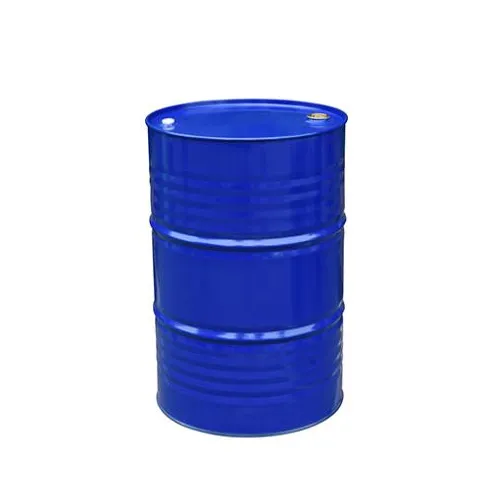
Navigating the Market for Lauryl Glucoside for Sale : An Essential Guide for B2B Procurement In today's evolving chemical landscape, the demand for sustainable, high-performance ingredients is rapidly accelerating. Among these, Lauryl Glucoside (CAS # 68515-73-1 & 110615-47-9) stands out as a versatile, eco-friendly non-ionic surfactant. This guide provides an in-depth look for B2B decision-makers and technical professionals seeking reliable sources of lauryl glucoside for sale , covering its technical merits, manufacturing processes, diverse applications, and crucial considerations for procurement. Understanding the nuances of this ingredient is vital for formulators in personal care, household cleaning, and industrial sectors, aiming to meet stringent regulatory requirements and consumer preferences for "green" products. The market trend clearly indicates a shift towards bio-derived ingredients, making Lauryl Glucoside a cornerstone for future-proof product development. Understanding Lauryl Glucoside: Technical Insights and Benefits Lauryl Glucoside is a sugar-based surfactant produced from renewable raw materials: glucose (derived from corn starch) and fatty alcohols (derived from coconut oil or palm kernel oil). As a non-ionic surfactant, it boasts excellent detergency, foaming, and emulsifying properties, while being remarkably mild to the skin and eyes. Its low irritation potential makes it an ideal choice for sensitive skin formulations, including baby products. Unlike some traditional surfactants such as sodium lauryl glucose (which is often a misnomer for Sodium Lauryl Sulfate or Sodium Laureth Sulfate, common anionic surfactants), lauryl glucoside offers superior environmental profiles, being readily biodegradable and derived from natural sources. This chemical structure imparts stability across a wide pH range, ensuring consistent performance in diverse formulations, from acidic facial cleansers to alkaline hard surface cleaners. Its ability to reduce surface tension efficiently yet gently positions it as a preferred ingredient for formulators prioritizing both efficacy and safety. Key Technical Specifications of Lauryl Glucoside When assessing options for lauryl glucoside for sale , critical technical parameters define product quality and suitability for specific applications. These specifications ensure consistency and performance. Parameter Typical Value Unit/Description Appearance Clear to yellowish viscous liquid Visual Active Matter 50-52 % pH Value (10% Solution) 11.5 - 12.5 @ 25°C Free Fatty Alcohol Max 1.0 % Viscosity 2000 - 4000 mPa.s (approx.) Cloud Point > 100 °C Specific Gravity 1.15 - 1.17 @ 25°C The Manufacturing Process of Lauryl Glucoside: Quality from Raw Material to Finish The production of lauryl glucoside involves a sophisticated process that ensures high purity and consistent quality. It begins with the reaction of naturally derived glucose with fatty alcohols (typically C12-C14 carbon chains from coconut or palm oil) through a glycosidation process. This reaction forms alkyl polyglucosides, of which Lauryl Glucoside is a specific type. The process is carefully controlled, often using a "direct glycosidation" method, which is highly efficient and minimizes by-product formation. Key steps include esterification, purification, and filtration. During purification, any unreacted raw materials and unwanted by-products are removed to ensure the final product meets stringent quality standards. Throughout the manufacturing cycle, rigorous quality control measures are implemented. This includes testing raw materials upon arrival, in-process checks at each critical stage, and comprehensive final product analysis. Adherence to international standards such as ISO 9001 for quality management systems is paramount. Regular testing for active matter content, pH, free fatty alcohol content, and microbial purity ensures that every batch of lauryl glucoside for sale meets the specified technical parameters and safety requirements. Such meticulous attention to detail during production contributes significantly to the product's stability, shelf life, and performance in diverse industrial applications. Companies providing this ingredient should also adhere to environmental management standards like ISO 14001, underscoring their commitment to sustainable manufacturing. Versatile Applications and Strategic Advantages Across Industries The unique properties of lauryl glucoside make it highly sought after across a multitude of industries, driven by both performance demands and the global push for sustainable solutions. In the personal care sector, it is a staple in shampoos, body washes, facial cleansers, and baby care products due to its exceptional mildness, good foaming capabilities, and compatibility with other surfactants. Its gentle nature helps reduce irritation often associated with conventional surfactants, making it ideal for sensitive skin and hair formulations. For household cleaning, lauryl glucoside for sale offers effective degreasing and cleaning power in dishwashing liquids, laundry detergents, and surface cleaners, without compromising environmental safety. Its biodegradability ensures minimal environmental impact, aligning with stringent eco-labeling requirements. Beyond consumer products, lauryl glucoside finds utility in industrial and institutional (I&I) cleaning, agricultural formulations as a wetting agent, and specialized industrial processes where a mild, yet effective, biodegradable surfactant is required. Its non-ionic character means it performs well in hard water and is less sensitive to pH changes, which is crucial for maintaining stability in complex formulations. The strategic advantage of procuring lauryl glucoside lies in its ability to enhance product performance while simultaneously improving their ecological footprint, appealing to an increasingly eco-conscious consumer base and regulatory bodies. Utilizing this ingredient contributes to a brand's reputation for sustainability and product safety, providing a competitive edge in a crowded market. Selecting Your Supplier: Manufacturer Comparison and Custom Solutions When sourcing lauryl glucoside for sale , selecting the right manufacturer is paramount to ensuring consistent quality, reliable supply, and technical support. Key factors for comparison include the manufacturer's certifications (e.g., ISO 9001, REACH compliance, COSMOS/Ecocert certifications for natural origin), their production capacity, and their supply chain resilience. A reputable supplier will offer comprehensive Certificates of Analysis (CoA) for each batch, detailing all relevant specifications and demonstrating adherence to quality control protocols. Furthermore, evaluating a manufacturer's technical support capabilities is crucial; an experienced supplier can provide formulation guidance, troubleshooting assistance, and insights into optimal usage of lauryl glucoside in specific applications. Many B2B buyers require more than just off-the-shelf products. Leading suppliers of lauryl glucoside often provide tailored solutions, including custom concentrations, specific packaging sizes, or even assistance in developing proprietary blends. This flexibility is invaluable for companies with unique formulation requirements or specific logistical needs. Partnering with a manufacturer who can offer such bespoke services, coupled with strong after-sales support and clear delivery schedules, builds a foundation of trust and long-term collaboration. Prioritizing transparency in sourcing and manufacturing practices also contributes significantly to a successful partnership, ensuring both parties are aligned on sustainability and ethical standards. Application Case Studies: Lauryl Glucoside in Action The practical utility of lauryl glucoside is best illustrated through its successful integration into diverse commercial products. For instance, a renowned global personal care brand reformulated its flagship baby shampoo to achieve a "tear-free" claim and natural certification. By incorporating lauryl glucoside as the primary surfactant, they significantly reduced eye irritation potential while maintaining excellent foaming and cleansing properties. This move not only enhanced product safety but also boosted market appeal among parents seeking gentler, natural options. The new formulation, featuring a high percentage of naturally derived ingredients, passed rigorous dermatological tests and achieved increased sales, demonstrating the clear market advantage of leveraging advanced green chemistry. In the industrial cleaning sector, a specialized formulator developed an innovative, concentrated hard surface cleaner for the hospitality industry. Their challenge was to create a powerful degreaser that was also biodegradable and safe for daily use on various surfaces without leaving harsh residues or odors. By formulating with a synergistic blend that included a significant proportion of lauryl glucoside , they achieved superior emulsification of oils and grease, combined with quick rinsing and excellent environmental credentials. This solution not only improved cleaning efficiency but also aligned with sustainability initiatives of hotels and restaurants, leading to a substantial increase in contracts and repeat business. These cases exemplify the tangible benefits of incorporating high-quality lauryl glucoside for sale into product development strategies. Frequently Asked Questions (FAQ) about Lauryl Glucoside Procurement Q: What is the typical shelf life of Lauryl Glucoside, and how should it be stored? A: Typically, lauryl glucoside has a shelf life of 12-24 months when stored correctly. It should be kept in a cool, dry place, in tightly sealed container111s, away from direct sunlight and extreme temperatures (ideally between 10°C and 30°C). Proper storage prevents degradation and maintains its chemical stability and performance. Q: Is Lauryl Glucoside compatible with other common cosmetic ingredients? A: Yes, lauryl glucoside is highly compatible with a wide range of ingredients, including anionic, cationic, and amphoteric surfactants. Its non-ionic nature makes it a good co-surfactant, enhancing foam stability and viscosity, and reducing the irritation potential of other surfactants like Sodium Laureth Sulfate. Q: What is the typical lead time and delivery cycle for bulk orders of Lauryl Glucoside? A: Lead times can vary depending on order volume, supplier inventory, and logistics. Generally, for established suppliers, it ranges from 2-4 weeks for standard bulk orders. For custom orders or large volumes, it’s advisable to consult directly with the sales team to confirm specific delivery schedules. Q: What kind of quality assurance and support can I expect when purchasing Lauryl Glucoside for sale? A: Reputable suppliers provide comprehensive quality assurance, including Certificates of Analysis (CoA) for each batch, adherence to ISO standards (e.g., ISO 9001), and often third-party certifications (e.g., REACH compliance, COSMOS). Customer support should include technical assistance, regulatory documentation, and responsive communication for any inquiries or issues. Q: Are there any specific regulatory considerations for Lauryl Glucoside in different regions? A: Lauryl glucoside is generally well-regarded globally and permitted for use in cosmetics and cleaning products. However, specific regions or countries may have unique concentration limits or labeling requirements. It’s always best to consult local chemical regulations and relevant industry guidelines (e.g., Cosmetics Directive in the EU, FDA regulations in the US) to ensure full compliance. Conclusion: Securing Your Supply of Premium Lauryl Glucoside The market for lauryl glucoside for sale is robust, driven by increasing consumer demand for natural, mild, and environmentally responsible ingredients. Its unique blend of performance attributes—from effective cleansing and foaming to exceptional mildness and biodegradability—makes it an indispensable component in modern formulations across personal care, household, and industrial applications. For B2B buyers, a comprehensive understanding of its technical specifications, manufacturing integrity, and diverse application benefits is crucial. Partnering with a supplier that demonstrates commitment to quality, transparency, and customer-centric solutions will not only secure a consistent supply of this vital ingredient but also empower your product development to align with global sustainability trends and consumer expectations. Investing in high-quality lauryl glucoside is an investment in product excellence and a sustainable future. References Hill, K., Von Rybinski, W., & Stoll, G. (2000). Alkyl Polyglucosides: Technology, Properties and Applications. Wiley-VCH. Müller, E., & Gierschner, J. (2008). Surfactants: Basics, Applications, and Manufacturing. Wiley-VCH. Sabatini, D. A., Greenwood, J. C., & Marks, R. (2000). Surfactant Science and Technology. CRC Press. Knaggs, E. A., & Newman, B. C. (1985). Chemistry and Industry of Surfactants. Marcel Dekker.

pharmaceutical product development company
since 1999
  • 1999
    Since
  • 6
    Branch Office
  • 900
    Staff
  • 200
    Annual Income
  • drug discovery and development company
    Personal Care
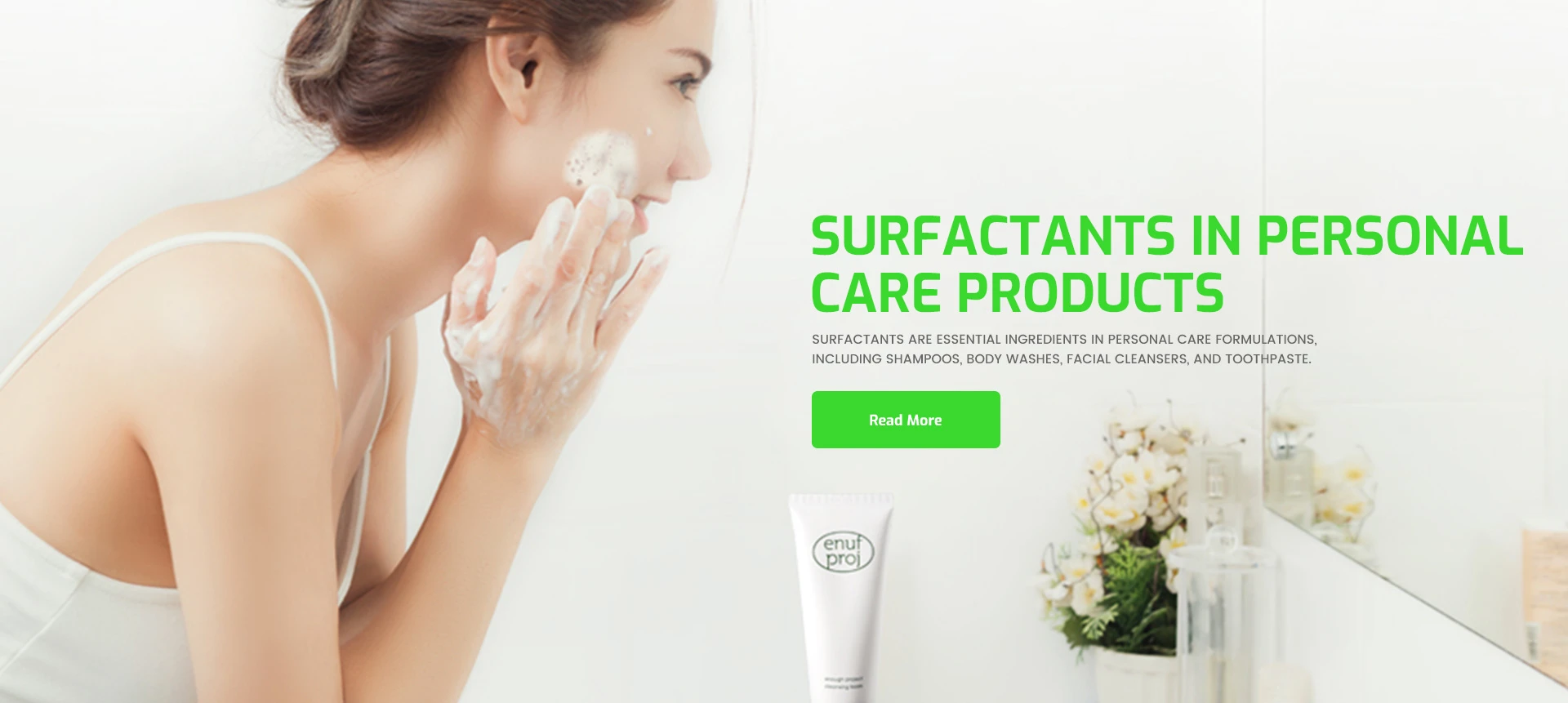
    Surfactants are essential ingredients in personal care products, such as shampoos, body washes, facial cleansers, and toothpaste. They effectively remove oil, dirt, and impurities from the skin and hair while creating a rich lather for an enjoyable user experience. Additionally, surfactants act as emulsifiers and wetting agents, improving product stability and texture to meet various skin needs and functional requirements.
  • drug discovery companies
    Home And I&i Cleaning
    Surfactants are vital components in cleaning products for both household and industrial applications. They effectively break down grease, stains, and dirt, enhancing cleaning efficiency by reducing water's surface tension for deeper penetration. Whether for daily home cleaning or industrial equipment maintenance, surfactants deliver powerful and consistent performance. Their formulations can be customized to meet specific needs, such as degreasing, disinfection, or rust prevention.
  • r&d pharmaceutical companies
    Pharmaceutical
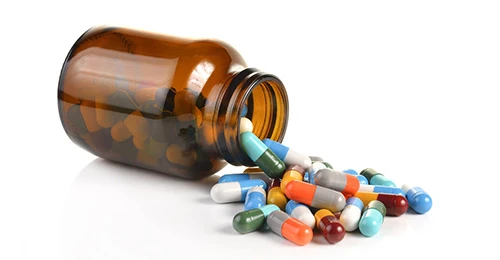
    Pharmaceutical intermediates and APIs (Active Pharmaceutical Ingredients) are essential components in drug manufacturing. Intermediates serve as key building blocks for API synthesis, while APIs provide therapeutic effects in final dosage forms.
  • pharmaceutical development company
    Polyurethane
    Polyurethane catalysts are used to accelerate foaming and gel reactions, enhancing production efficiency and product performance. It is mainly applied in fields such as furniture soft foam, automotive seats, building insulation materials and coatings.
request a quote

Complete Control Over Products Allows Us To Ensure Our Customers Receive The Best Quality Prices And Service.
drug discovery and development company
What Our Clients Say!
customer reviews

“The cosmetic ingredients we purchased were top-notch in purity and consistency. Perfect for our skincare formulation line. Reliable supplier!”

What Our Clients Say!
Stefanie Rashford

“Their industrial cleaning agents have significantly improved our factory's sanitation process. Highly concentrated and very effective.”

What Our Clients Say!
Julia

“We sourced several APIs from this company and were very pleased with the documentation, quality, and prompt delivery.”

What Our Clients Say!
Thomas
  • drug discovery and development company
  • r&d pharmaceutical companies
  • pharmaceutical development company
  • pharmaceutical product development company
  • r&d pharmaceutical companies
  • drug discovery and development company
  • drug discovery companies
  • drug discovery and development company
  • r&d pharmaceutical companies
  • pharmaceutical development company
  • pharmaceutical product development company
Insight, Industry Trends, Top News Headlines
Triazine Ring - Hebei Hejia Pharmaceutical Technology Group Co., Ltd.|Chemical Synthesis&Material Science: Read More About bulk drug intermediates Introduction The triazine ring (CAS No.: 290-87-9) is a six-membered aromatic heterocyclic compound containing three nitrogen atoms. This unique structure serves as a foundational framework in various chemical and pharmaceutical applications, including the synthesis of herbicides, resins, dyes, and biologically active molecules. Its versatility stems from it
Hegrein TEP (Triethyl Phosphate) CAS:78-40-0: Flame Retardant & Plasticizer: Hegrein TEP (Triethyl Phosphate) CAS:78-40-0 is a key solution in the chemical industry, specifically within fine chemicals and phosphate ester. This article explores how Hebei Hejia Pharmaceutical Technology Group Co., Ltd. supports professionals with durable, high-performance products, and explains why this product is an ideal choice for businesses in these sectors. Table of Contents Hegrein TEP
Triazine Ring – Hebei Hejia|Chemical Applications, Material Innovation: The triazine ring is a foundational chemical structure with profound implications across multiple industries. As a six-membered aromatic heterocycle containing three nitrogen atoms, it serves as a critical scaffold in pharmaceuticals, agrochemicals, and advanced materials. This article explores the triazine ring 's unique properties, its diverse applications, and the innovative contributions of He
Triazine Ring-CAS 290-87-9-Hebei Hejia Pharmaceutical Technology Group|Chemical Synthesis,Pharmaceutical Applications,Material Science: The Triazine Ring (CAS No.: 290-87-9) is a six-membered aromatic heterocyclic compound containing three nitrogen atoms. This versatile molecular scaffold serves as a foundational structure in various chemical and pharmaceutical applications, particularly in the synthesis of herbicides, resins, dyes, and biologically active molecules. Learn more about the Triazine Ring and its significance in moder
Triazine Ring-Hebei Hejia Pharmaceutical Technology Group|Chemical Synthesis,Pharmaceutical Applications: The triazine ring , a six-membered aromatic heterocyclic compound containing three nitrogen atoms, represents a cornerstone in modern chemical research. As a foundational structure in various scientific domains, it plays a pivotal role in the synthesis of herbicides, resins, dyes, and biologically active molecules. This article delves into the multifaceted applications, structural advantages, and
Hegrecat BA101: High-Activity Catalyst for Clean Reactions?: Field Notes: Hegrecat BA101 in modern polyurethane lines If you’ve worked around slabstock or spray foam, you’ve almost certainly met this blend—even if you didn’t realize it. In short, Hegrecat BA101 is a 70/30 composition of Bis(2-dimethylaminoethyl) ether (BA100, CAS 3033-62-3) and dipropylene glycol (DPG). It’s the classic water-blowing amine catalyst profile, tuned for predictable CO2 generat

If you are interested in our products, you can choose to leave your information here, and we will be in touch with you shortly.